

Living on a Caribbean island means dealing with water challenges that mainland properties simply don’t face. If you’re managing a resort or private property in the Caribbean, you know that securing reliable, affordable freshwater can make or break your operation. Solar desalination offers a sustainable solution that transforms abundant sunshine and seawater into fresh water, but Caribbean installations require special considerations. From hurricane-proofing to salt spray resistance, let’s explore what makes Caribbean solar desalination unique and how modern technology addresses these specific challenges.
Why Caribbean islands face unique water challenges #
Caribbean islands operate as isolated water systems where traditional freshwater sources remain limited. Unlike mainland locations with rivers, lakes, and extensive groundwater systems, most Caribbean islands depend heavily on rainfall collection and increasingly unreliable aquifers. When dry seasons extend or hurricanes disrupt infrastructure, properties face immediate water crises.
The cost of importing bottled water reaches staggering levels, with some islands paying €5–10 per cubic meter for water to resorts, villas and industries. For commercial users or communities in remote regions that require trucked or transported water, costs can be much more expensive, ranging from €10-20 per cubic meter. For a resort using 50 cubic meters daily, that translates to €500-1000 per day just for basic water needs. These expenses quickly erode profit margins and force difficult choices between guest amenities and operational sustainability.
Climate patterns add another layer of complexity. Caribbean islands experience distinct wet and dry seasons, but climate change has made these patterns increasingly unpredictable. Properties that once relied on consistent rainfall now face extended droughts followed by destructive hurricanes that contaminate existing water supplies with saltwater intrusion.
Traditional water procurement methods also damage fragile island ecosystems. Over-pumping coastal wells leads to saltwater intrusion, permanently damaging aquifers. Diesel-powered desalination systems contribute to air pollution and require constant fuel shipments, creating both environmental and logistical burdens.
How solar conditions make the Caribbean perfect for desalination #
The Caribbean enjoys some of the world’s best solar conditions, averaging 5–7 peak sun hours daily throughout the year. This consistent sunshine creates ideal conditions for solar-powered water production, with minimal seasonal variation compared to temperate regions.
What makes Caribbean solar particularly advantageous is the correlation between water demand and solar availability. Peak tourist seasons align with dry, sunny periods when water needs increase and solar energy production reaches maximum levels. This natural synchronisation eliminates the mismatch between supply and demand that plagues solar installations in other regions.
Solar power offers significant advantages over diesel generators for remote island locations. Diesel fuel costs include not just the fuel itself but also shipping, storage, and handling expenses that can double the effective price. Solar systems eliminate these ongoing costs while removing the risk of fuel shortages during storm seasons when supply boats cannot reach islands.
The economic benefits extend beyond fuel savings. Modern solar desalination systems achieve energy consumption of only 3 kWh per cubic meter through advanced energy recovery technology, while traditional desalination solutions use 7-10 kWh per cubic meter. With Caribbean electricity rates often exceeding €0.30 per kWh, the savings accumulate rapidly. A property producing 50 cubic meters daily saves approximately €450 monthly on energy costs alone compared to conventional grid-powered desalination.
What island-specific factors affect system design #
Caribbean installations face unique environmental challenges that demand specialised engineering solutions. Salt spray corrosion represents the primary threat to equipment longevity. Systems designed for Caribbean conditions use super duplex steel, titanium, or 904L stainless steel components that withstand the corrosive coastal environment for decades rather than requiring yearly pump replacements common with standard materials.
Hurricane resistance requires robust engineering beyond typical installations. Containerised systems provide inherent protection, with equipment secured inside weatherproof enclosures. Solar panel mounting systems must withstand wind speeds exceeding 150 mph, using reinforced ground-mounting structures rather than vulnerable rooftop installations.
Space constraints on small islands influence system design significantly. A typical small solar desalination system requires 25–50 square meters of total space, including solar panels and desalination equipment. Modular designs allow installations to fit available space while maintaining efficiency. Some properties utilise hillside locations for gravity-fed systems that reduce energy requirements by up to 90%.
Logistics present ongoing challenges for Caribbean installations. Equipment must be containerised for efficient shipping, with systems designed for rapid deployment upon arrival. Installation timeframes vary by system size, with small systems operational within days while larger installations may require several weeks. Remote monitoring capabilities prove valuable, enabling technical support without expensive site visits.
Local maintenance capabilities vary dramatically across Caribbean islands. Systems designed for these locations emphasise simplicity and reliability, with automated fresh-flush cycles preventing membrane fouling without chemical treatments. This chemical-free operation eliminates the need for specialised handling training and reduces environmental compliance concerns.
Real results from Caribbean solar desalination projects #
Across the Caribbean, solar desalination systems demonstrate consistent performance in tropical conditions. A British Virgin Islands installation produces over 3,300 gallons daily using only sunshine and natural elevation, eliminating previous issues with power outages and unreliable water quality from conventional systems.
Performance metrics from Caribbean installations show remarkable consistency. Systems maintain design capacity even during extreme weather events, with automated controls adjusting operation based on available solar energy. Water production volumes range from 3,800 to 100,000 litres per day, meeting diverse property needs from private villas to large resorts.
Energy savings compared to traditional methods reach up to 70% through advanced energy recovery technology adapted from large-scale desalination plants. This efficiency translates directly to operational savings, with one resort case study demonstrating over €1,100,000 in total savings with a four-year payback period.
System reliability during extreme weather proves particularly valuable. Unlike grid-dependent systems that fail during hurricanes, solar desalination with battery backup or gravity-fed designs continues operating when properties need water most. The containerised designs protect equipment from storm damage while maintaining operational readiness.
Resort operators report additional benefits beyond cost savings. Guests increasingly value sustainable operations, with solar desalination becoming a marketing advantage. Properties eliminate approximately 100 tons of CO2 emissions annually by switching from diesel-powered systems, supporting environmental certifications and guest expectations.
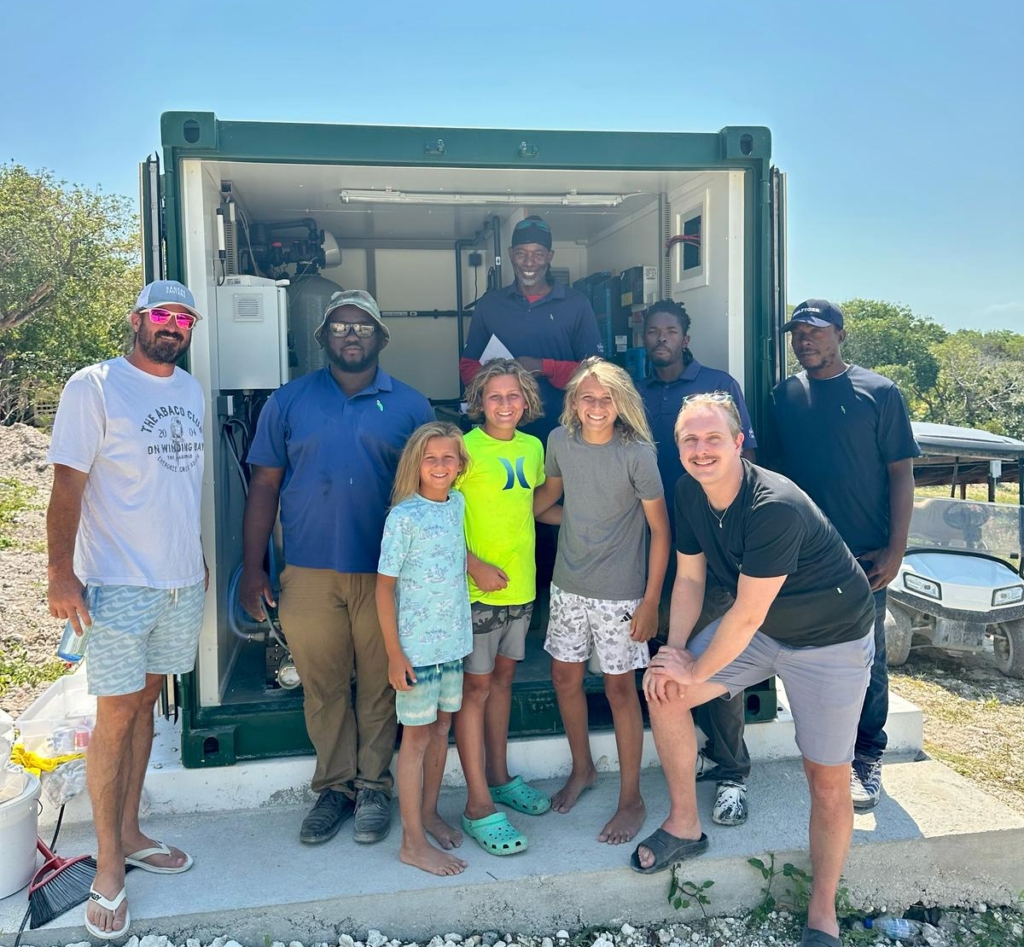
Here is a list of several Caribbean desalination projects realised by Elemental Water Makers:
- Harbour in The Bahamas making 4 m³/day
- Island lodge in Belize producing 5 m³/day
- Resort in Jamaica making 22 m³/day
- Concrete factory in Aruba generating 88 m³/day
#
Your path to water independence with proven technology #
We’ve completed over 100 installations across 35 countries, with extensive Caribbean experience addressing the unique challenges island properties face. Our systems produce water meeting WHO drinking water standards without requiring chemical treatments, providing safe, reliable water for your guests and operations.
For resorts and private properties, we offer two primary solutions. Our off-grid Elemental Water Source enables full energy independence by producing fresh water using only renewable energy in remote areas. These systems range from €70,000 for small systems producing 5 m³/day to €450,000 for large systems producing 100 m³/day, including equipment, transport and installation on-site.
Properties with existing electrical connections benefit from our Efficient Water Maker systems that minimize energy consumption while delivering reliable freshwater. These systems range from €40,000 for small systems producing 11 m³/day to €190,000 for large systems producing 88 m³/day, including equipment, transport and installation on-site.
Our Caribbean support network ensures reliable operation throughout your system’s lifetime. Remote monitoring capabilities allow our technicians to oversee system performance and provide guidance without expensive site visits. When permits are required, we assist with submitting the technical data needed for local permit applications.
Water independence is within reach. With proven technology specifically designed for Caribbean conditions, you can transform abundant sunshine and seawater into a reliable freshwater supply while reducing operational costs and environmental impact.
Frequently Asked Questions #
How do I determine the right system size for my Caribbean property?
System sizing depends on your daily water consumption, available space, and budget. Start by calculating your peak daily water usage in cubic meters, then add 20-30% capacity for seasonal variations. Most Caribbean resorts use 1-2 cubic meters per room per day, while private villas typically need 5-10 cubic meters daily. Contact a specialist with your specific requirements for accurate sizing recommendations.
What happens to my solar desalination system during hurricane season?
Modern containerised systems are designed to withstand Category 5 hurricanes with minimal preparation. Before a storm, simply secure the container doors and disconnect solar panels if they're not rated for extreme winds. The desalination equipment inside the container remains protected, and systems with gravity-fed designs can resume operation immediately after the storm passes, providing critical water when grid power may be unavailable for weeks.
Can I retrofit an existing diesel desalination system with solar power?
Yes, many properties successfully retrofit existing systems by adding solar arrays and battery storage while keeping diesel generators as backup. This hybrid approach reduces fuel costs by 60-80% while maintaining reliability. However, older desalination equipment may not be energy-efficient enough to maximise solar benefits, so upgrading to modern energy recovery systems often provides better long-term value.
What permits and approvals do I need for installing solar desalination in the Caribbean?
Permit requirements vary significantly between islands and even between coastal and inland locations. Most installations require environmental impact assessments, coastal zone permits for seawater intake, and building permits for solar arrays. Some islands fast-track renewable energy projects, while others have lengthy approval processes. Start the permitting process 6-12 months before your planned installation date and work with suppliers who can provide the technical documentation authorities require.
How do I handle system maintenance without local technical expertise?
Choose systems designed for remote operation with automated maintenance cycles and remote monitoring capabilities. Modern systems perform automatic freshwater flushes to prevent biofouling and send performance alerts to technicians who can diagnose issues remotely. Establish relationships with regional service providers who can perform annual maintenance visits, and keep basic spare parts like pre-filters on-site. Training your maintenance staff in basic operations takes only 1-2 days and prevents most common issues.
What's the real payback period when factoring in Caribbean-specific costs?
Payback periods typically range from 3-5 years depending on your current water costs and system size. Properties currently paying €10-20 per cubic meter for trucked water see the fastest returns, often under 3 years. Factor in avoided costs like diesel fuel price volatility, generator maintenance, and potential carbon taxes when calculating ROI. Many properties also report increased bookings from eco-conscious guests, providing additional revenue that accelerates payback.